home
FAQs
people


People:
Human Rights Staff
Human Rights Board
In Memoriam
   

Members of the Human Rights Program Board of Directors are appointed by the Provost. Board members meet quarterly and in committees to advise the Director and staff. Board members teach human rights courses and contribute their expertise in diverse disciplinary, thematic, and regional approaches to human rights to the development of curriculum and program.

Faculty Director Michael Geyer and Executive Director Susan Gzesh are responsible for leadership of the Human Rights Program, including teaching and advising students, supervising the internship program, and managing relations within the University and with funders and alumni. The Manager of Operations and Events Sarah Patton Moberg is responsible for communications and day-to-day operations, including coordination of events and management of the student staff. The Internship Coordinator is responsible for the management of the Human Rights internship program. The Human Rights Lecturer teaches courses, advises students on human rights research projects, and directs the Human Rights Workshop. The staff is assisted by a dynamic team of student employees who gain important experience in human rights education and organizing.

Human Rights Staff:

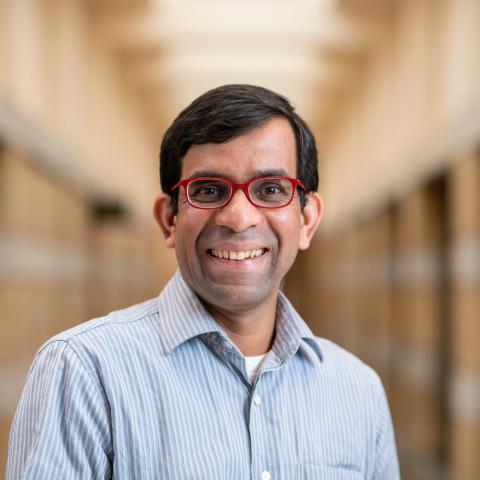
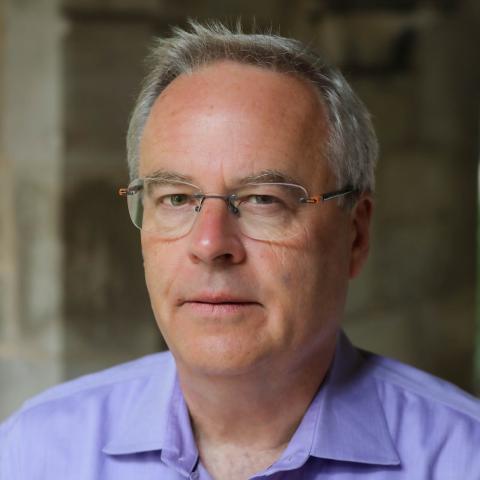
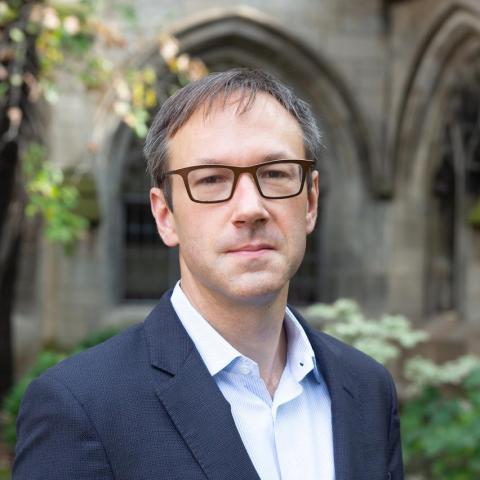
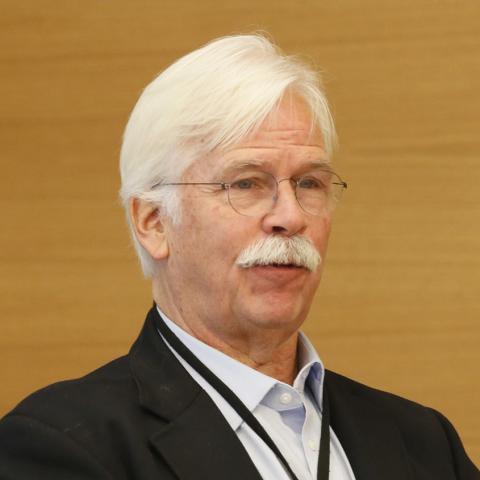
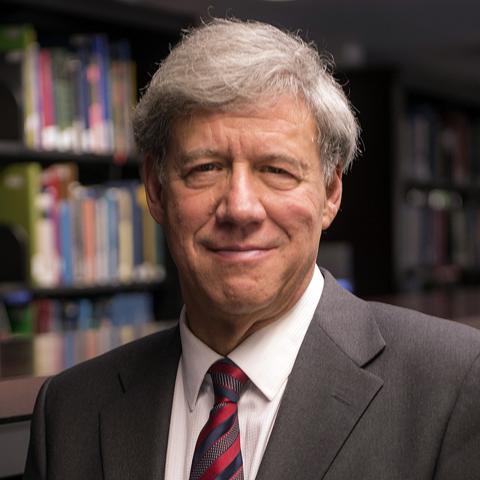
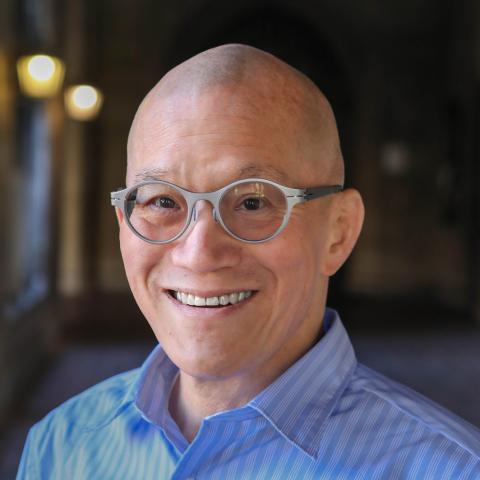
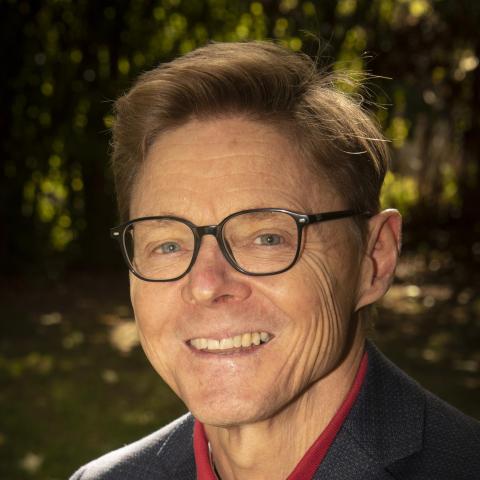
Michael Geyer Michael Geyer, Faculty Director, Human Rights Program
mgeyer@uchicago.edu

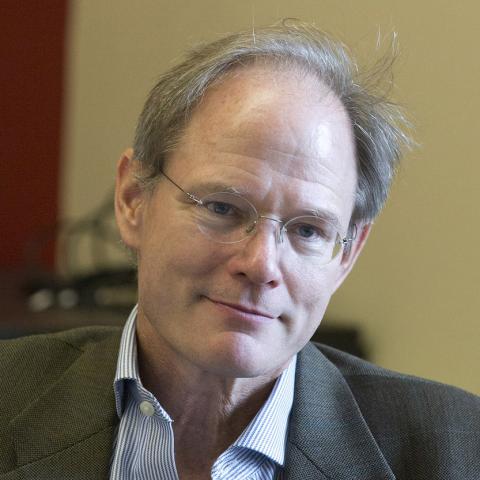
Michael Geyer is the Samuel N. Harper Professor of Modern German and European History at the University of Chicago. He is one of the founding members of the Human Rights Program (1996) and became the Faculty Director of the program in 2008. His main concern is human rights education and training. Ever since the inception of the program he has been teaching one of the core surveys on the History and Theory of Human Rights, but he has also taught a variety of courses on humanitarianism and humanitarians, on war crimes and war crimes trials, on overcoming torture, and on the contemporary international human rights regime. He is particularly concerned with finding ways of melding liberal arts oriented rights education with human rights and humanitarian skills training and professional schooling. His research interests fall into three areas: an inquiry of the place of human rights in early constitutionalism; the question of humanitarianism and equality; and the contemporary conundrum of a surfeit of human rights law, nationally and internationally, and an actual lack of rights for individuals and people; the proliferation of humanitarian activism and the suspicion that it will not alleviate misery and provide succor.

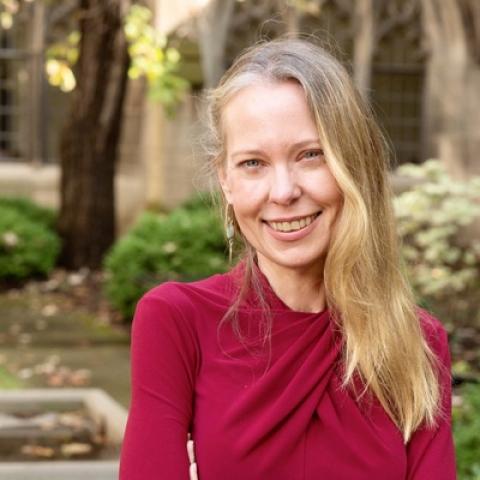
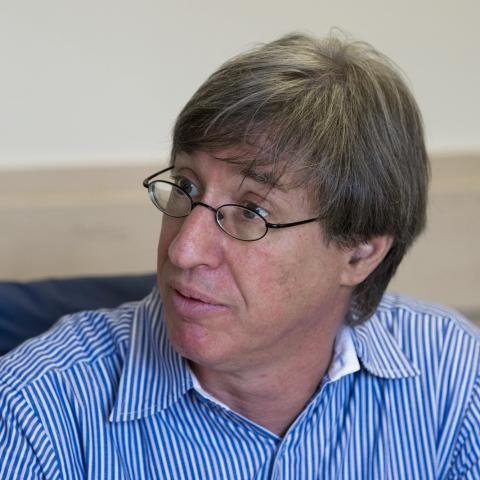
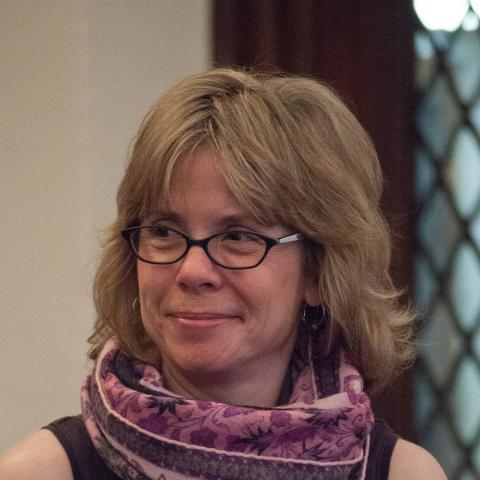
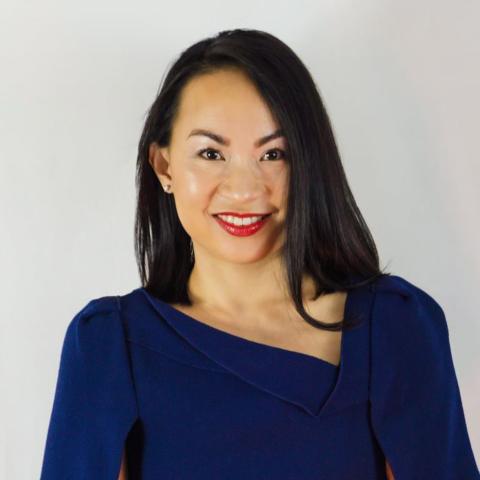
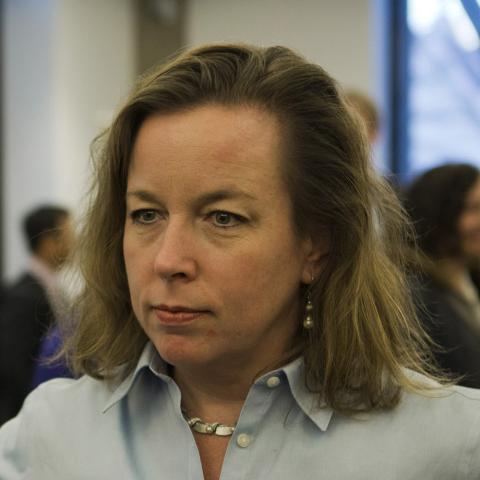
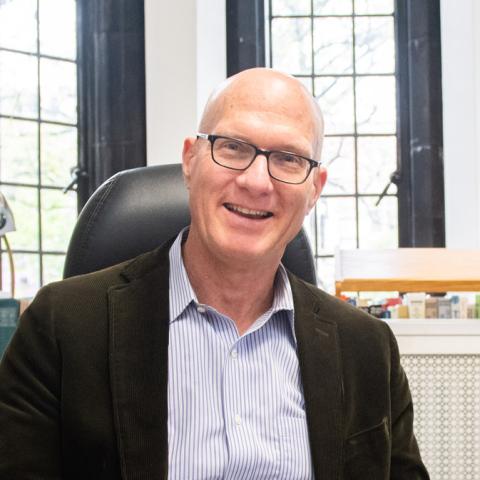
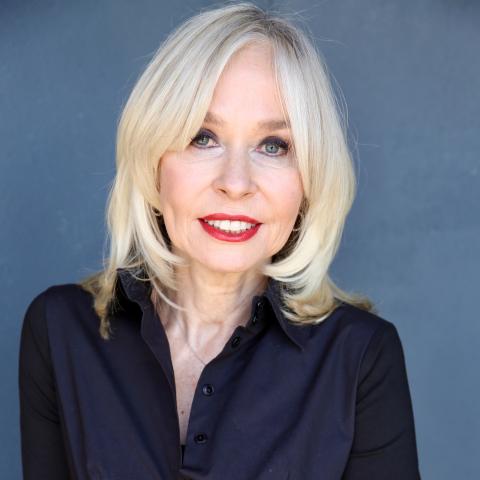
Susan Gzesh Susan Gzesh, Executive Director, Human Rights Program Susan Gzesh is the Executive Director of the Human Rights Program, a position she has held since August 2001, and a Senior Lecturer in the College. She teaches courses on contemporary issues in human rights (including the prohibition on torture, women’s rights, and labor rights), the comparative human rights of aliens and citizens, human rights in Mexico and Latin America, and in the College Social Sciences core. Her research interests include the inter-relationship between human rights and migration policy, the history of U.S. immigration policy, and Mexico-U.S. relations. In addition to teaching, she directs a broad range of activities in the Human Rights Program including an internship program, public events, and a project on human rights curriculum in liberal arts education, funded by the Teagle Foundation. From 1996-2001 Susan Gzesh was Director of the Mexico-U.S. Advocates Network (now Enlaces America) and a founding member of the Regional Network of Civil Organizations for Migration, two innovative coalitions of civil society organizations from North America, Mexico, and Central America that advocate on human rights and migration policy with governments of the region. From 1997- 1999, Gzesh was the legal adviser to the Mexican Foreign Ministry on U.S. immigration law and policy. Prior to 1996, Gzesh practiced law in a variety of settings: in private practice, federally-funded legal services, and with the Chicago Lawyers' Committee for Civil Rights. She was a Fulbright Lecturer at the Universidad de Guadalajara in 1990 and served on the Clinton-Gore Transition Team for the Department of Justice in 1992. Her publications include America’s Human Rights Challenge, Migration Policy Institute, 2006, and "Mexico-U.S. Migration and Cross-Border Organizing," in David Brooks & Jonathan Fox, eds., Cross Border Dialogues: U.S.- Mexico Social Movement Networking, Center for U.S.-Mexican Studies, UCSD, 2002, as well as other short articles, op-ed pieces, and commentaries. She is a non-resident Fellow of the Migration Policy Institute, Washington, D.C. and serves on the faculty committees of the Center for Latin American Studies, Committee on International Relations, and the Advisory Committee of the Social Sciences Collegiate Division. She was appointed by Governor Rod Blagojevich to the Illinois New Americans Immigrant Policy Council and serves on the Chicago Committee for Human Rights Watch and the Board of Directors of Kartemquin Films. She is a consultant with various philanthropic foundations. Susan Gzesh received an A.B. from the University of Chicago in 1972 and a J.D. in 1977 from the University of Michigan. She is fluent in Spanish and is a legal commentator for Univision-TV, Chicago.
sgzesh@uchicago.edu

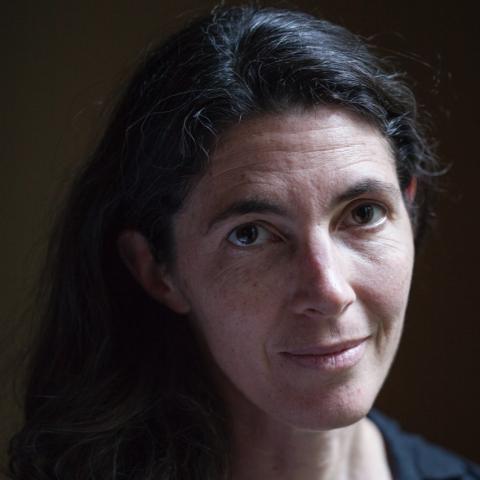
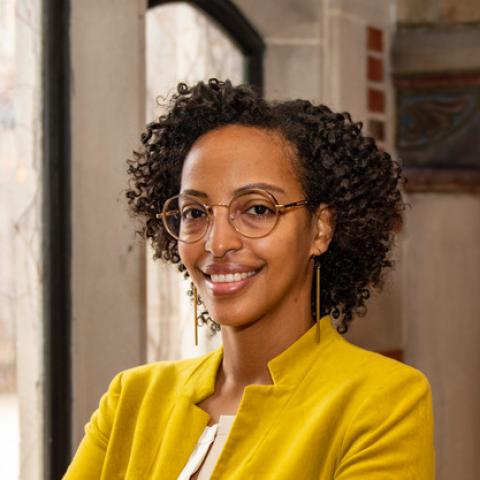
Sarah Moberg Sarah Patton Moberg, Manager of Operations and Events
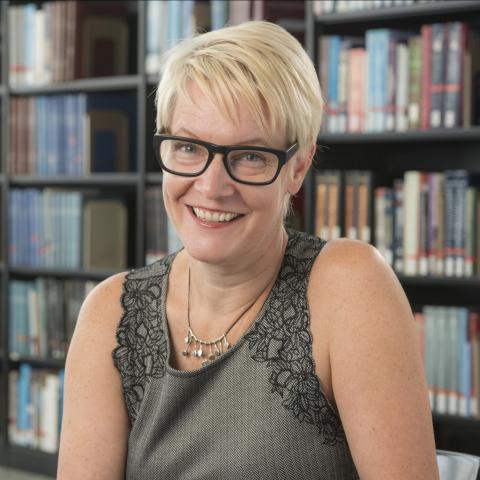
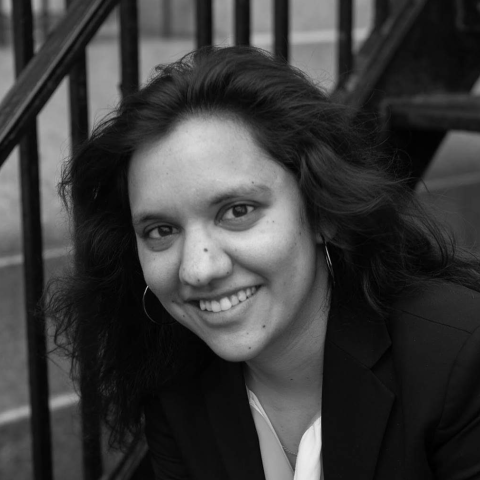
Sarah Patton Moberg started with the Human Rights Program in September 2007. A Chicago native, she received her B.A. in Sociology/Anthropology from Carleton College in Northfield, MN in June 2007. She coordinates HRP events, courses, and competitions and is the main administrator for the Program. Her research/program interests include urban sociology (including Right to the City initiatives and housing issues) and social movement analysis (including the Nicaraguan women's movement and the US Labor movement). She is an elected member of the Steering Committee of the Midwest Coalition for Human Rights, of which the Human Rights Program is one of 56 member organizations.
(773) 834-0957  
spmoberg@uchicago.edu

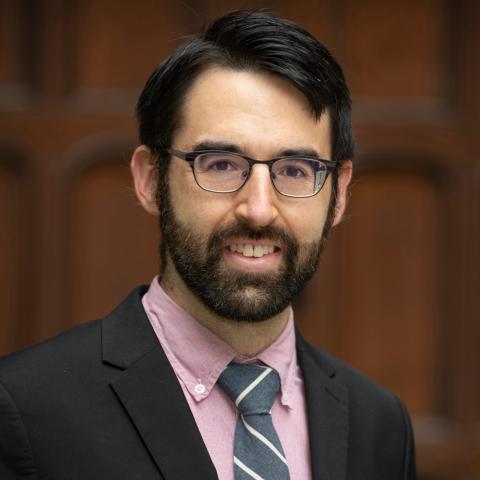
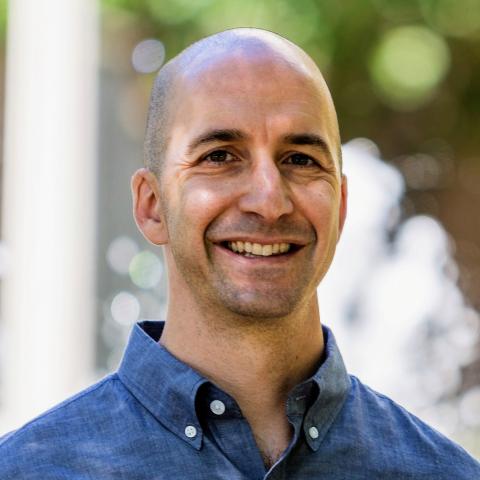
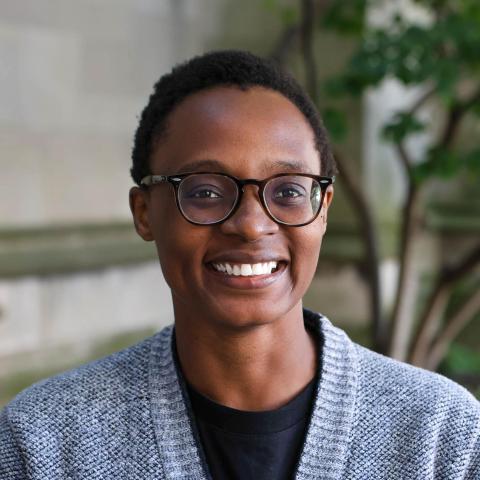
Andrew Janco Andrew Janco, Human Rights Lecturer
Andrew Janco studies Russian and Soviet history. His work focuses on the history of warfare, displacement and human rights protections for refugees. His dissertation, "Soviet 'Displaced Persons' in Europe, 1941-1951," studies the westward migration of more than five million Soviet citizens during World War II, their experiences as postwar "displaced persons" and eventual resettlement as refugees during the Cold War. He is currently adapting this work into a book. Andrew has also published articles on the childhood war games of Peter the Great and televised improv comedy during the Soviet 1960s.
apjanco@uchicago.edu

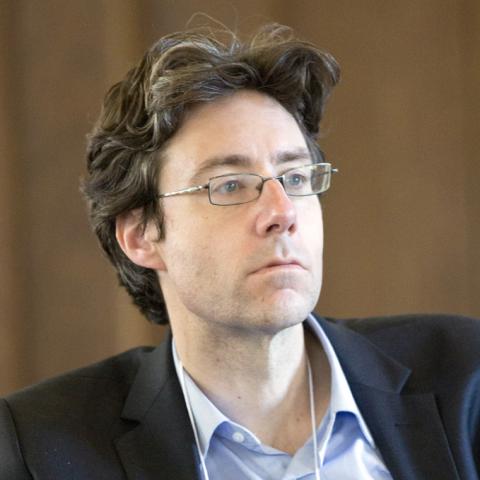
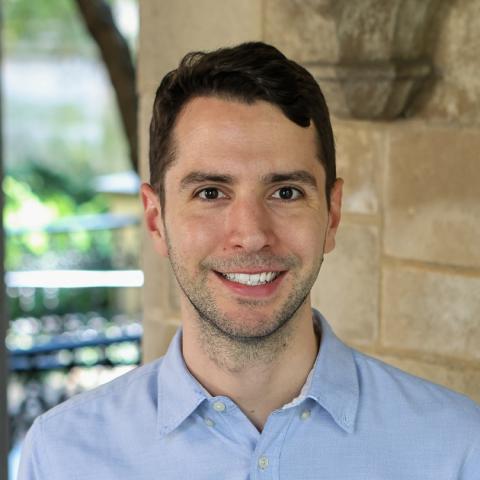
Jacob Lesniewski Jacob Lesniewski, Internship Coordinator
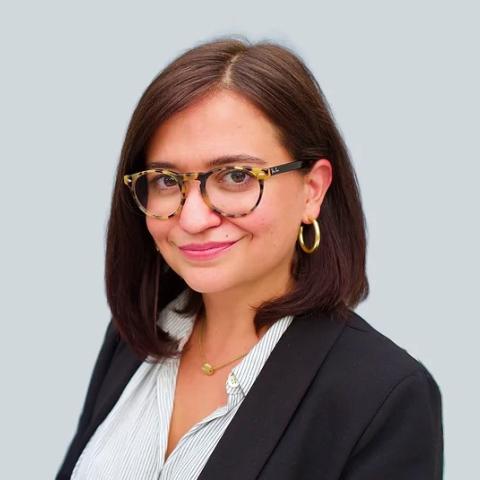
Jacob (Jack) Lesniewski is a doctoral candidate at the School of Social Service Administration writing his dissertation about a workers center in Chicago, the same workers center he worked at as a Human Rights Intern in 2008. Jack came to the University after working for four years in community development among the Kekchi Maya of Central Guatemala. Since moving to Chicago, he has engaged in activism that supports immigrant communities and struggles for workers rights in the Chicago labor movement. He has worked for a number of independent progressive political campaigns as well. A father of four, Jack is also a Resident Head in the University's Undergraduate Housing System.
jshm@uchicago.edu

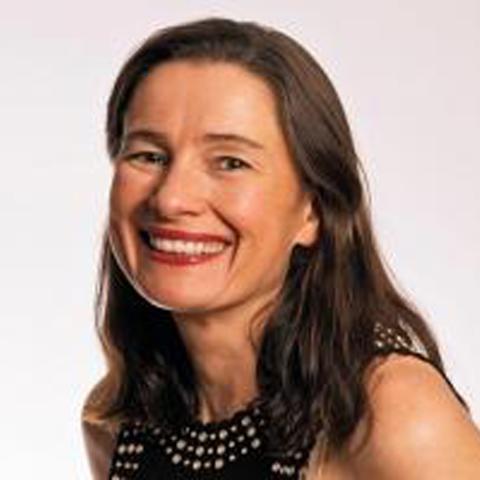
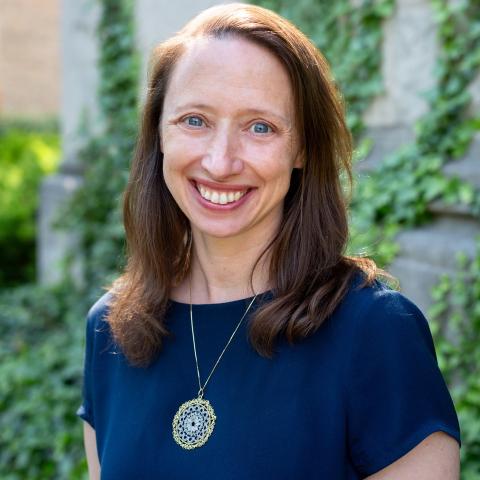
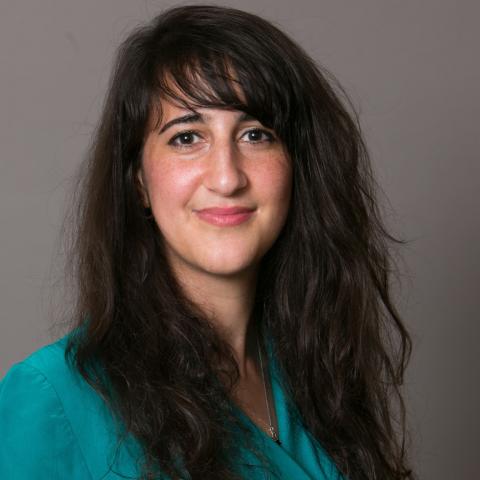
Charlotte Walker-SaidCharlotte Walker-Said, Associate Scholar
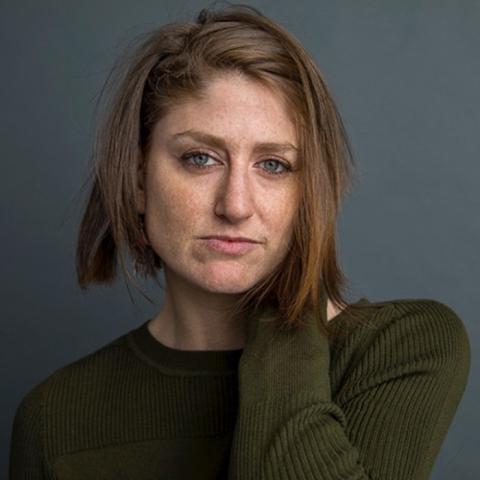
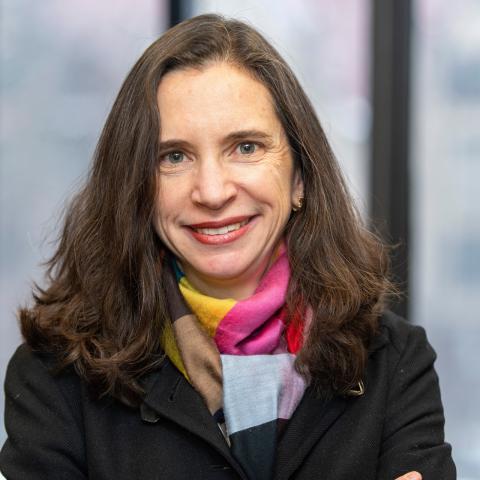
Charlotte Walker-Said is an African historian by training. She is completing a manuscript on the legal and political history of Cameroon. Recently, her research has focused on gender, religion, governance, and economic expansion in West and Equatorial Africa. This year, she will be participating in the Sawyer Seminar in the Center for Gender Studies. In her capacity as an Africanist, she has also contributed to studies conducted by non-governmental organizations and multilateral institutions operating in Africa. She received her doctoral degree in December 2009 from the Department of History at Yale University in New Haven, Connecticut, where she focused on history in Cameroon. During the 2009-2010 academic year, she was a Lecturer at Harvard University in the History and African & African American Studies Departments. Her first book, tentatively titled, "Traditional Marriage for the Modern Nation: Family Formation and the Politics of Religion in Colonial and Post-Colonial Cameroon" will reveal the complex nature of religion, sexuality, nationalism, and family law in Cameroon. She is also an editor of an anthology of recent research on corporate social responsibility and human rights.
http://www.cwalkersaid.com

cmwalker@uchicago.edu

Human Rights Program Faculty Board: 2012-2013 (* denotes on leave)

Faculty Director: Michael Geyer, Samuel N. Harper Professor of German and European History,
Department of History and the College

Executive Director: Susan Gzesh, Senior Lecturer
Social Sciences Collegiate Division

Mark Bradley, Co-Chair-- Bernadotte E. Schmitt Professor of International History and the College
Department of History and the College

Dr. Renslow Sherer, Co-Chair—Professor
Department of Medicine - Infectious Diseases and Global Health

Daniel Brudney, Professor
Department of Philosophy and the College; Director of Graduate Admissions

Elizabeth Chandler, Director
Center for Teaching & Learning, Midwest Faculty Seminar

James Chandler, Barbara E. & Richard J. Franke Distinguished Service Professor
Department of English, Department of Cinema & Media Studies and the College; Director, Franke Institute for the Humanities    

Bradin Cormack, Professor
Department of English and the College; Director, Nicholson Center for British Studies

Jane Dailey, Associate Professor
Department of History, the Law School, and the College

Tom Ginsburg, Leo Spitz Professor of International Law; Ludwig and Hilde Wolf Research Scholar; Professor
Political Science

Robert Gooding-Williams, Ralph and Mary Otis Isham Professor of Political Science
Department of Political Science and the College

Ramón Gútierrez, Preston & Sterling Morton Distinguished Service Professor in United States History
Department of History and the College

Judy Hoffman, Senior Lecturer
Department of Visual Arts, Department of Cinema & Media Studies

John Kelly, Professor
Department of Anthropology and the College; Interim Director, South Asia Language and Area Center

Emilio Kouri, Professor
Department of History, Romance Languages and Literatures, and the College; Director, Katz Center for Mexican Studies

Benjamin Laurence, Assistant Professor
Department of Philosophy and the College

Lyonette Louis-Jacques, Foreign and International Law Librarian, D’Angelo Law Library; Lecturer
The Law School

Dr. Even Lyon, Assistant Professor
Department of Medicine – Hospital Medicine

Marvin W. Makinen, Professor
Department of Biochemistry and Molecular Biology       

*Martha Nussbaum, Ernst Freund Distinguished Service Professor of Law and Ethics
T he Law School, Department of Philosophy, Divinity School and the College; Associate Department of Classics and Department of Political Science; Member, Committee on Southern Asian Studies

Dr. Robert Perlman, Professor Emeritus
Department of Pediatrics; Kennedy Center for Mental Retardation

Jennifer Pitts, Associate Professor
Department of Political Science and the College

Moishe Postone, Thomas E. Donnelly Professor of Modern European History
Department of History and the College; Member, Committee on Jewish Studies

Justin Richland, Associate Professor
Department of Anthropology and the College

Haun Saussy, University Professor
Department of Comparative Literature

Julie Saville, Associate Professor
Department of History and the College

*Eric Slauter, Associate Professor
Department of English Language & Literature and the College; Director, Scherer Center for the Study of American Culture

James Sparrow, Associate Professor
Department of History and the College

Amy Dru Stanley, Associate Professor
Department of History and the College

*Christine Stansell, Stein-Freiler Distinguished Service Professor in United States History
Department of History and the College

Tara Zahra, Associate Professor of East European History and the College

In Memoriam:

Iris Marion Young, 1949-2006
Professor Iris Young, a leading philosopher called by a colleague “one of the most important political philosophers of the past quarter-century,” died in her home Tuesday, Aug. 1 2006.

Professor Young was a member of the University of Chicago's Political Science Department since 2000, and an active member of the Human Rights Program Faculty Board.  Prof. Young was known for her deep commitment to social justice and grassroots political activity on causes such as women’s human rights, debt relief for Africa and workers’ rights.

Young’s books include Intersecting Voices: Dilemmas of Gender, Political Philosophy and Policy (1997); Inclusion and Democracy (2000); and On Female Body Experience (2004). Before coming to the University of Chicago she taught political theory for nine years in the Graduate School of Public and International Affairs at the University of Pittsburgh.

Alan Gewirth, 1912-2004
Alan Gewirth was an internationally renowned scholar who made important contributions in several areas of philosophy, including medieval political philosophy, early modern philosophy, and ethics (especially the theory of rights). Professor Gewirth was born in Manhattan on November 28, 1912, and received  his A.B. in 1934 from Columbia University, where he was inspired to become a philosopher by Richard McKeon, the demanding Aristotelian scholar. After two years of graduate study at Columbia, he spent the academic year 1936-7 on a Sage Fellowship at Cornell University and was then brought to the University of Chicago as an assistant to the already illustrious McKeon, who had been invited there the year before by Chancellor Robert Maynard Hutchins. In June 1942, Professor Gewirth was drafted into the army, moving up the ranks from private to captain in four years. He spent the academic year 1946-47 at Columbia on the GI Bill, receiving his Ph.D. in philosophy in 1948. From 1947 onward he was a regular member of the faculty at the University of Chicago. Among many other honors, Professor Gewirth served as president of the American Philosophical Association and the American Society for Legal and Political Philosophy and was a Fellow of the American Academy of Arts and Sciences. His lifelong devotion to research continued unabated after his retirement in 1982: in 1996 he published The Community of Rights (University of Chicago Press) and in 1998, Self-Fulfillment (Princeton University Press), as well as numerous articles. In 1997, Professor Gewirth became a charter member of the board of the then newly constituted Human Rights Program, for which he developed and taught its primary course, Human Rights I: Philosophical Foundations, in which undergraduates, graduate students, and law and medical students were enrolled.

Read the official University press release about Professor Gewirth's death.

Robert Kirschner, 1940-2002
An internationally recognized authority on forensic pathology, human rights violations, police brutality, torture and child abuse and an outspoken opponent of the death penalty, Robert H. Kirschner, M.D., a clinical associate in the department of pathology and pediatrics and a founding member of the faculty board of the human rights program at the University of Chicago, died at the University of Chicago Hospitals on September 15, 2002.

More about Dr. Kirschner:

  • Read "Bearing Witness for the Dead," a piece on Dr. Kirschner from the Winter 2001 issue of Medhunters.
  • Read the release about Dr. Kirschner's death from the University News Office
  • Remarks by Rashid Khalidi at the memorial service for Dr. Kirschner - Sept. 18, 2002, K.A.M. Isaiah Israel, Chicago, Illinois
  • Memorial Symposium, April 22nd, 2003: view poster or listen to speakers

Students, friends, and colleagues are invited to submit their reminiscences of Dr. Kirschner's impact on their work or interest in human rights for inclusion on the Human Rights Program website. Please e-mail your reminiscences to human-rights@uchicago.edu.


University of Chicago Human Rights Program
5720 S. Woodlawn Avenue • Chicago, IL 60637
Telephone: 773-834-0957 • Email: human-rights@uchicago.edu